
Istanbul's Sweet History & Peyra's Artisan Gelato
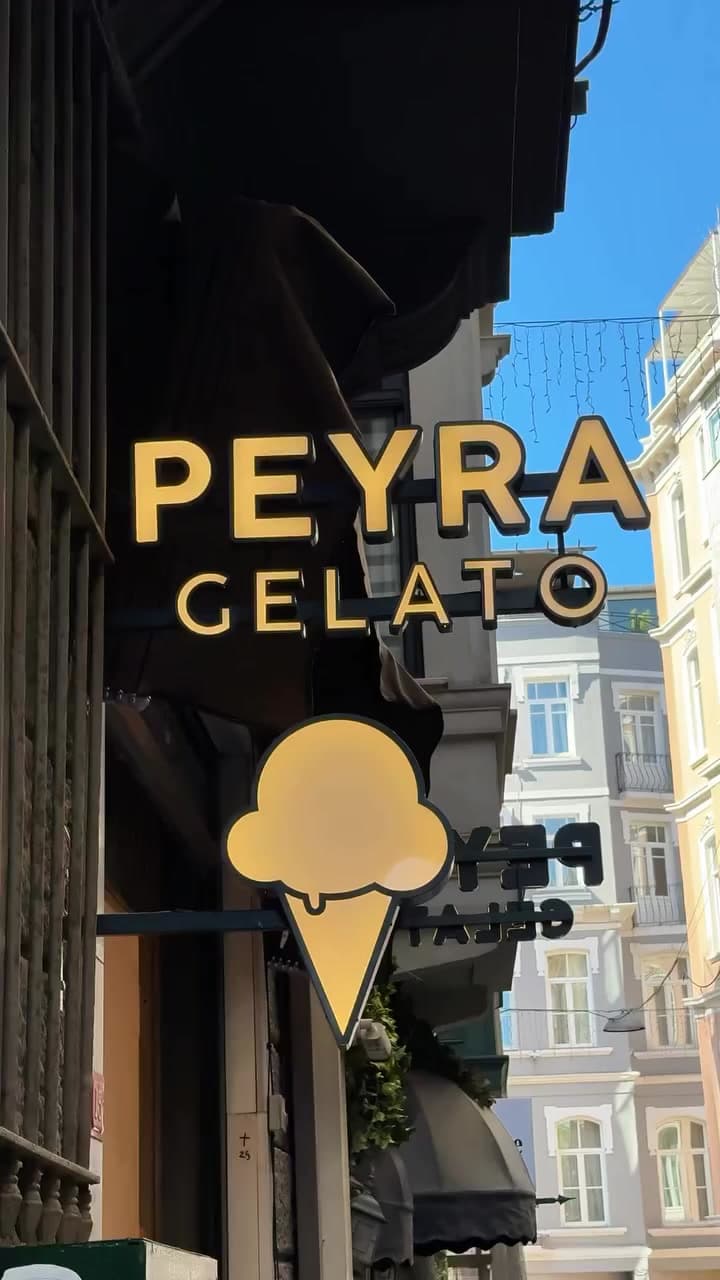
From baklava to lokum to ice cream, Turkish sweets have enchanted palates for centuries. Peyra honours this heritage with a modern touch.
A Journey Through Turkish Sweets History
Turkish sweets history is one of the world's great culinary narratives, a story stretching back more than a thousand years, woven through the courts of Ottoman sultans, the markets of Anatolia, the kitchens of Greek, Armenian, and Jewish communities who shared this land and shaped its flavours together. To understand where Peyra's gelato comes from, you must first understand the Turkish sweets history that it honours, challenges, and reinterprets with every batch.
Ottoman Baklava: The Sweet That Built an Empire
The earliest chapter of recorded Turkish sweets history that has the clearest connection to modern Istanbul is baklava. The Ottoman imperial palace kitchen, the Matbah-ı Amire at Topkapı, employed dozens of specialist pastry cooks whose primary purpose was the production of baklava, a dish so prestigious that it was delivered to the Janissary corps in formal procession each Ramadan as a gift from the Sultan. This annual ceremony, known as the Baklava Alayı or Baklava Procession, was one of the great public rituals of Ottoman court life, and it tells you everything you need to know about the centrality of sweet food to Turkish sweets history and culture.
The baklava of the Ottoman court was made with pistachios from Gaziantep, then known as Antep, which remain the gold standard ingredient in Turkish sweets history to this day. Peyra honours this heritage directly: the Baklava Sandwich, one of our signature creations, wraps freshly baked filo pastry around pistachio gelato and finishes with a coating of ground Antep pistachio. It is a translation of the Ottoman classic into the modern language of artisan gelato, and the connection to Turkish sweets history is intentional and direct.
Lokum: Sweet of the Imperial Palace
If baklava is the monarch of Turkish sweets history, then lokum, known in the West as Turkish delight, is its most travelled ambassador. The modern form of lokum was perfected in Istanbul in the late eighteenth century, reputedly by a confectioner named Hacı Bekir who opened a shop near the Grand Bazaar in 1777. His lokum used starch and sugar, a departure from earlier honey-based confections, and produced a texture that was softer, more consistent, and more exportable than anything in the Turkish sweets history that preceded it.
Hacı Bekir's descendants still operate under the same name in Istanbul today, and the shop is a pilgrimage site for anyone interested in Turkish sweets history. Peyra's Rose and Lokum gelato draws directly on this heritage: rosewater is the most classical lokum flavouring, and by infusing it into a gelato base alongside hand-cut pieces of pistachio lokum, we create a dessert that bridges two centuries of Turkish sweets history in a single scoop.
Sahlep: The Winter Tradition
Perhaps no element of Turkish sweets history is more uniquely Anatolian than sahlep, a hot drink and ice cream flavouring made from the dried and ground tubers of wild orchids. The salep orchid (Orchis mascula and related species) grows across the mountains of central and eastern Anatolia, and its tubers have been harvested and dried for use in cooking and medicine since at least the Byzantine period. When the Ottomans encountered sahlep, they adopted it enthusiastically: sahlep drinks were sold from copper urns in the streets of Istanbul throughout the winter months, and sahlep powder was used as the thickening agent in Maraş ice cream, the famously stretchy dondurma that is one of the most distinctive contributions of Turkish sweets history to world cuisine.
Peyra's Sahlep Gelato appears each autumn on the winter menu. It uses authentic dried sahlep powder, not the industrial substitutes that contain little or no actual orchid, combined with full-fat organic milk and a hint of cinnamon. The flavour is complex: slightly starchy, slightly floral, with a warmth that is not from spice but from the ingredient itself. It is one of the most direct expressions of Turkish sweets history on our menu.
Mastic: The Ancient Aegean Resin
Long before the Ottoman Empire, before the Byzantines, the island of Chios in the eastern Aegean was already famous for producing mastic, the crystallised resin of the Pistacia lentiscus tree, which has been used in food, medicine, and cosmetics for at least three thousand years. Mastic is so deeply woven into Turkish sweets history that it appears in dozens of traditional dishes and drinks: it flavours the Ottoman liqueur known as mastika, it is used to scent rice puddings and ice creams, and it appears in bread, chewing gum, and confectionery across the eastern Mediterranean.
Peyra's Mastic Gelato is an exercise in restraint: only enough mastic to produce a faint, piney warmth and a slightly resinous finish, dissolved into a creamy base that lets the unusual flavour speak clearly. For anyone with roots in the Aegean, Turkish, Greek, or otherwise, this gelato is a taste of shared Turkish sweets history, the flavour of a coastline rather than a nation.
Gaziantep Pistachio: The Crown Jewel of Turkish Sweets History
No survey of Turkish sweets history is complete without a dedicated treatment of the Gaziantep pistachio. Gaziantep (Antep) has been the centre of Turkish pistachio cultivation for centuries: the volcanic soil and the extreme summer heat of the upper Mesopotamian plain produce a nut that is simultaneously sweeter, greener, and more complex than pistachios grown anywhere else in the world. The city received a Protected Geographical Indication from the EU in 2009, the first Turkish food product to do so, confirming what Turkish sweets history already knew: that Antep pistachios are in a category of their own.
All pistachio-based products at Peyra, the Pistachio Mélange, the Baklava Sandwich, the Kağıt Helva Sandwich, use Gaziantep pistachios exclusively. This is not a premium option. It is the only acceptable standard if you are serious about Turkish sweets history and the craft traditions it represents.
Peyra's Modern Approach to a Historic Tradition
Peyra does not treat Turkish sweets history as a museum exhibit. We treat it as a living tradition, one that deserves to be engaged with creatively, respectfully, and honestly. That means using the same premium Anatolian ingredients that defined the historical originals, while applying modern artisan techniques that improve texture, consistency, and freshness. It means drawing on Ottoman confectionery traditions, baklava, lokum, sahlep, mastic, without imitating them slavishly. And it means telling the story of Turkish sweets history through every scoop, so that visitors who come to Peyra leave with not just a pleasurable taste memory but a genuine connection to one of the world's great culinary heritages.
Crafted in Galata, shared with love, one scoop at a time.